

01
Start with what you can’t see
Before thinking about countertops, paint colors or fixtures, pay attention to the systems that keep your home running. HVAC, plumbing, electrical, roofing, insulation, windows and water heaters all have a lifespan. Regular maintenance can extend that lifespan and help prevent small problems from becoming expensive ones.
- HVAC
- Plumbing
- Electrical
- Roofing
- Insulation
- Windows
- Water heaters
It’s also worth knowing whether past renovations were properly permitted and meet applicable codes. These details may not be visible in a beautifully finished room, but they can matter greatly when it’s time to sell.
A beautiful home built on poorly maintained systems is still a poorly maintained home.
02
Keep your home current
Not every dated room requires a complete renovation. A kitchen may need a full redesign — but often, better lighting, fresh paint, updated hardware, a new faucet or smarter storage can make a meaningful difference. Bathrooms can benefit from the same thoughtful, incremental approach: new lighting, mirrors, fixtures, paint or hardware can refresh the space without changing everything. The goal is not to chase every trend, but to recognize when your home feels tired or no longer supports the way you live.
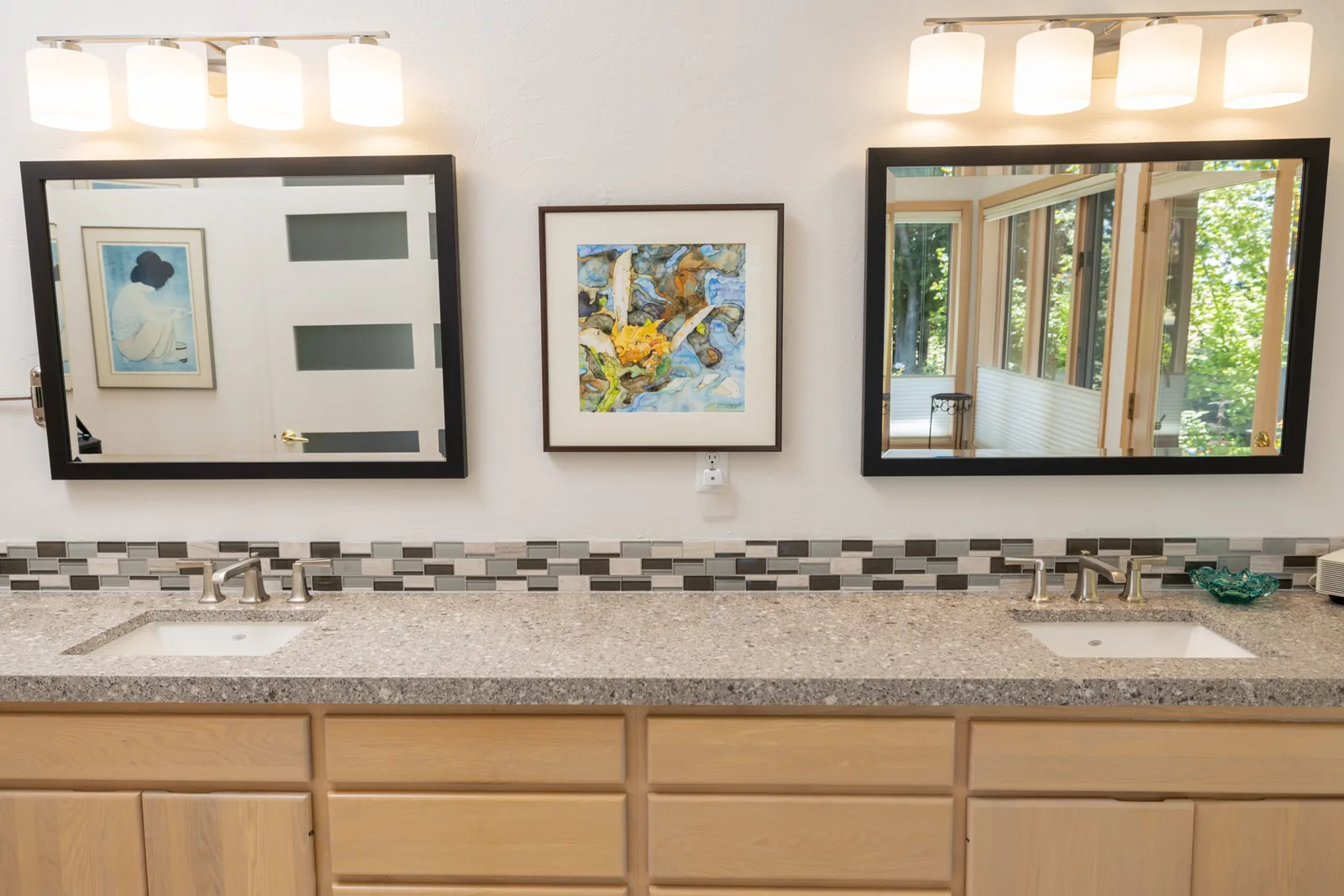
- better lighting
- fresh paint
- updated hardware
- a new faucet
- smarter storage
03
Spend with intention
Before investing in a home improvement, consider three questions:
Will this improve the way we live?
Will it protect or maintain the home?
Will it still make sense several years from now?
You do not need to answer yes to all three. Together, however, these questions can help distinguish a thoughtful investment from an impulse. If a larger renovation is warranted, careful planning becomes even more important. The goal is not to spend the most money, but to direct your budget toward the improvements that solve the right problems.
04
Think beyond the sale
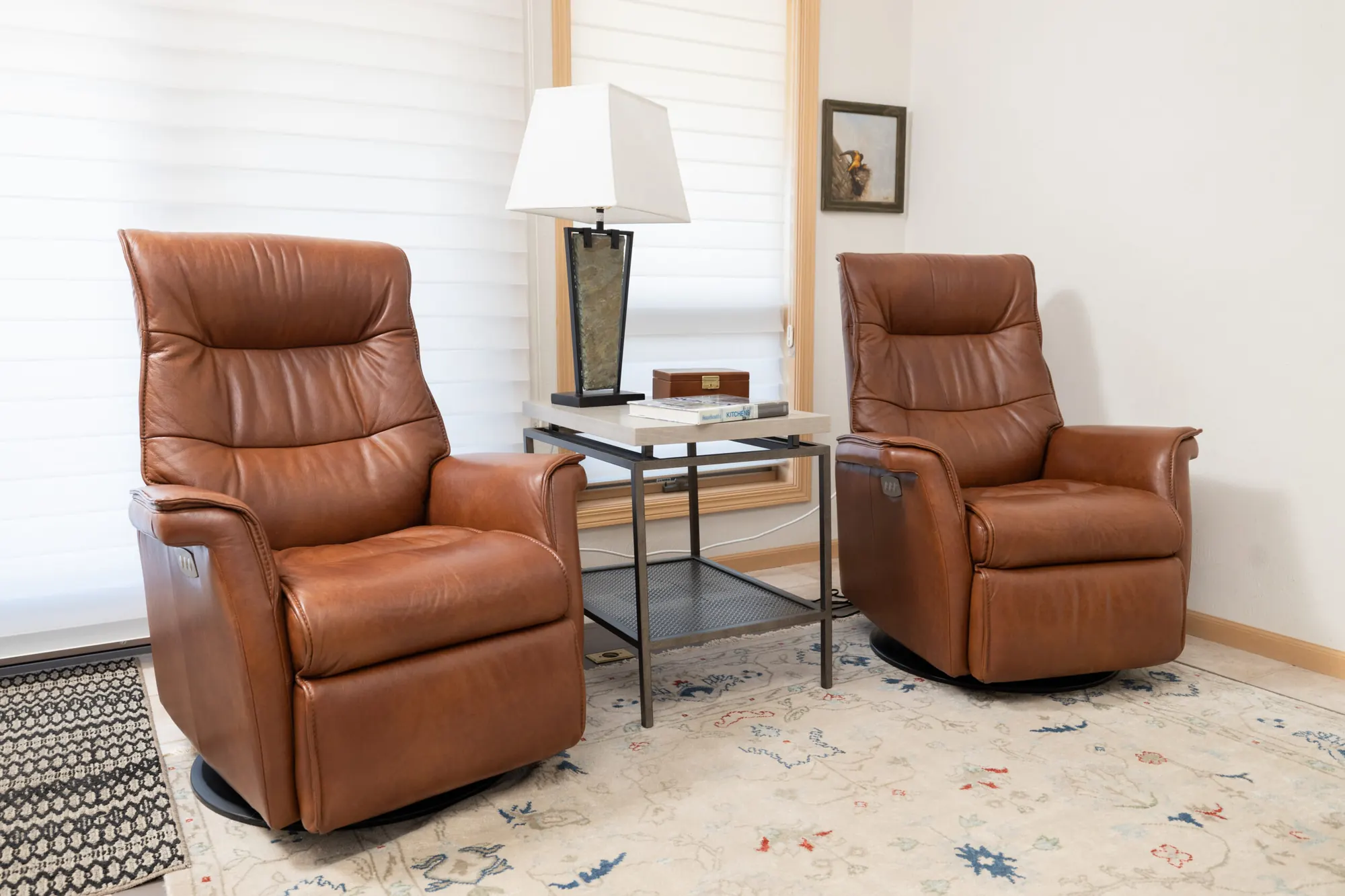
Protecting your home’s value doesn’t mean treating it as though you’re preparing it for the next owner. First and foremost, your home should serve your family today. Use the colors you love, and design your kitchen around the way you actually cook, gather and live. With thoughtful choices, your home can evolve with you — without requiring a complete reset every decade.
05
A new way to think about renovation
Perhaps the goal isn’t to renovate less or renovate more. It’s to renovate more thoughtfully. When we approach our homes this way, we aren’t simply adding value. We’re protecting what we already have — and creating a place that continues to support the people who live there. That, to me, is what stewardship looks like.